✞ Coptic Hymns ✞
Praising God through hymns lifts up our spirits and allows us to communicate with the One we love. Chanting transcends us in liturgical worship.
✞ Coptic Hymns ✞
Praising God through hymns lifts up our spirits and allows us to communicate with the One we love. Chanting transcends us in liturgical worship.
  Hymns 
Ⲡ̀ⲟⲩⲣⲟ (Epouro)

Ⲡ̀ⲟⲩⲣⲟ (Epouro)

English Title: O King
Coptic Title: Ⲡ̀ⲟⲩⲣⲟ
Pronunciation: Epouro

Overview

Ⲡ̀ⲟⲩⲣⲟ (Epouro, "O King") is a major hymn in the Coptic Orthodox liturgical tradition. It is chanted during festive services, especially during the Feasts of the Nativity and the Epiphany, and during the procession of the Lamb in the Divine Liturgy.

The hymn proclaims Christ as the King of peace and the true ruler of the Church, and it is often associated with joyful liturgical seasons.


Liturgical Use
  • Feast of the Nativity
  • Feast of the Epiphany
  • Procession of the Lamb
  • Other festive liturgical celebrations


The hymn begins with the proclamation of Christ as the King of Peace, followed by praise and theological reflection on His reign over the Church and creation.

(Full Coptic text can be added here later if you want a dedicated section or audio integration.)


Theological Theme

The hymn emphasizes Christ’s kingship, peace, and divine authority. It reflects the Coptic Church’s understanding of Christ as the eternal King who brings reconciliation between heaven and earth.


Usage in Services

During the Divine Liturgy, Ⲡ̀ⲟⲩⲣⲟ is typically chanted during processional moments, especially when the Church emphasizes joy and celebration.

Hymn Text
Coptic English
Ⲡ̀ⲟⲩⲣⲟ ⲛ̀ⲧⲉ ϯϩⲓⲣⲏⲛⲏ: ⲙⲟⲓ ⲛⲁⲛ ⲛ̀ⲧⲉⲕϩⲓⲣⲏⲛⲏ: ⲥⲉⲙⲛⲓ ⲛⲁⲛ ⲛ̀ⲧⲉⲕϩⲓⲣⲏⲛⲏ: ⲭⲁ ⲛⲉⲛⲛⲟⲃⲓ ⲛⲁⲛ ⲉ̀ⲃⲟⲗ. O King of peace, grant us Your peace, establish for us Your peace, and forgive us our sins.
Ϫⲱⲣ ⲉ̀ⲃⲟⲗ ⲛ̀ⲛⲓϫⲁϫⲓ: ⲛ̀ⲧⲉ Ϯⲉⲕⲕⲗⲏⲥⲓⲁ: ⲁ̀ⲣⲓⲥⲟⲃⲧ ⲉ̀ⲣⲟⲥ: ⲛ̀ⲛⲉⲥⲕⲓⲙ ϣⲁ ⲉ̀ⲛⲉϩ. Disperse the enemies of the Church, and fortify her that she may not be shaken forever.
Ⲉⲙⲙⲁⲛⲟⲩⲏⲗ Ⲡⲉⲛⲛⲟⲩϯ: ϧⲉⲛ ⲧⲉⲛⲙⲏϯ ϯⲛⲟⲩ: ϧⲉⲛ ⲡ̀ⲱ̀ⲟⲩ ⲛ̀ⲧⲉ Ⲡⲉϥⲓⲱⲧ: ⲛⲉⲙ Ⲡⲓⲡ̀ⲛⲉⲩⲙⲁ Ⲉⲑⲟⲩⲁⲃ. Emmanuel our God is now in our midst, with the glory of His Father and the Holy Spirit.
Ⲛ̀ⲧⲉϥⲥ̀ⲙⲟⲩ ⲉ̀ⲣⲟⲛ ⲧⲏⲣⲉⲛ: ⲛ̀ⲧⲉϥⲧⲟⲩⲃⲟ ⲛ̀ⲛⲉⲛϩⲏⲧ: ⲛ̀ⲧⲉϥⲧⲁⲗϭⲟ ⲛ̀ⲛⲓϣⲱⲛⲓ: ⲛ̀ⲧⲉ ⲛⲉⲛⲯⲩⲭⲏ ⲛⲉⲙ ⲛⲉⲛⲥⲱⲙⲁ. May He bless us all, and purify our hearts, and heal the sicknesses of our souls and bodies.
Ⲧⲉⲛⲟⲩⲱϣⲧ ⲙ̀ⲙⲟⲕ ⲱ̀ Ⲡⲓⲭ̀ⲣⲓⲥⲧⲟⲥ: ⲛⲉⲙ Ⲡⲉⲕⲓⲱⲧ ⲛ̀ⲁ̀ⲅⲁⲑⲟⲥ: ⲛⲉⲙ Ⲡⲓⲡ̀ⲛⲉⲩⲙⲁ ⲉⲑⲟⲩⲁⲃ: ϫⲉ (ⲁⲕⲧⲱⲛⲕ) ⲁⲕⲥⲱϯ ⲙ̀ⲙⲟⲛ. We worship You, O Christ, with Your good Father and the Holy Spirit, for You have (risen) and saved us.

References
Ⲧⲁⲓ ϣⲟⲩⲣⲓ (Tai Shori)

Ⲧⲁⲓ ϣⲟⲩⲣⲓ (Tai Shori)

Tai-Shori)
English Title: This Is the Censer
Coptic Title: Ⲧⲁⲓ ϣⲟⲩⲣⲓ
Pronunciation: Tai Shori

Overview

Ⲧⲁⲓ ϣⲟⲩⲣⲓ (Tai Shori, "This Is the Censer") is a Marian hymn in the Coptic Orthodox tradition. It is chanted during festive liturgical services, especially during the Feasts of the Nativity and the Epiphany, and during important moments of praise in the Divine Liturgy.

The hymn presents the Virgin Mary as the golden censer who carried the divine fire, Christ, within her womb, fulfilling the prophecies and typology of the Old Testament.


Liturgical Use
  • Feast of the Nativity
  • Feast of the Epiphany
  • immediately before the Pauline Epistle during festive liturgies.
  • Other major feasts and joyful liturgical occasions


Theological Theme

The hymn uses the imagery of the censer in the temple to describe the Virgin Mary. Just as the censer carries fire and releases fragrant incense, Mary bore Christ within her and brought forth salvation to the world.

It reflects the Coptic typological understanding of the Old Testament temple worship as a foreshadowing of the Incarnation.


Usage in Services

Ⲧⲁⲓ ϣⲟⲩⲣⲓ is typically chanted during the reading of the Pauline Epistle or in festive sections of the liturgy. It is often paired with other hymns of praise such as Ⲧⲉⲛⲟⲩⲱϣⲧ and Ⲡⲁϭⲟⲓⲥ.

Hymn Text
Coptic English
Ϯϣⲟⲩⲣⲏ ⲛ̀ⲛⲟⲩⲃ ⲧⲉ Ϯⲡⲁⲣⲑⲉⲛⲟⲥ: ⲡⲉⲥⲁ̀ⲣⲱⲙⲁⲧⲁ ⲡⲉ Ⲡⲉⲛⲥⲱⲧⲏⲣ.
Ⲁⲥⲙⲓⲥⲓ ⲙ̀ⲙⲟϥ: ⲁϥⲥⲱϯ ⲙ̀ⲙⲟⲛ: ⲟⲩⲟϩ ⲁϥⲭⲁ ⲛⲉⲛⲛⲟⲃⲓ ⲛⲁⲛ ⲉ̀ⲃⲟⲗ.
The golden censer is the Virgin; her aroma is our Savior.
She gave birth to Him; He saved us and forgave us our sins.

References
Ⲧⲉⲛⲟⲩⲱϣⲧ (Tenouosht)

Ⲧⲉⲛⲟⲩⲱϣⲧ (Tenouosht)

English Title: We Worship
Coptic Title: Ⲧⲉⲛⲟⲩⲱϣⲧ
Pronunciation: Tenouosht

Overview

Ⲧⲉⲛⲟⲩⲱϣⲧ (Tenouosht, "We Worship") is a foundational hymn in the Coptic Orthodox liturgical tradition. It is a declaration of worship and reverence offered to God and is frequently used in major feasts and daily services.

The hymn expresses the Church’s collective act of worship, emphasizing unity, reverence, and confession of the Holy Trinity.


Liturgical Use
  • Feast of the Nativity
  • Feast of the Epiphany
  • Morning Doxology (Adam structure)
  • Various points in the Divine Liturgy during joyful seasons


Theological Theme

The hymn centers on the act of worship itself. It is not narrative but declarative, expressing the Church’s continuous posture of adoration before God.

It reflects the Coptic understanding that worship is both communal and perpetual, united with the heavenly liturgy of the angels.


Usage in Services

Ⲧⲉⲛⲟⲩⲱϣⲧ is commonly used as a structural hymn within the Morning Doxology and festive services. It often appears at key transitions between readings and prayers.

Hymn Text
Type Text
Coptic Refrain Ⲧⲉⲛⲟⲩⲱϣⲧ ⲙ̀ⲙⲟⲕ ⲱ̀ Ⲡⲓⲱⲧ ⲛ̀ⲁ̀ⲅⲁⲑⲟⲥ...
English Meaning We worship You, O Good Father...
Liturgical Role Congregational response hymn during the Divine Liturgy

References
Ⲡⲁϭⲟⲓⲥ (Pachois)

Ⲡⲁϭⲟⲓⲥ (Pachois)

Pachois
English Title: My Lord
Coptic Title: Ⲡⲁϭⲟⲓⲥ
Pronunciation: Pachois

Overview

Ⲡⲁϭⲟⲓⲥ (Pachois, "My Lord") is a prominent melismatic hymn in the Coptic Orthodox liturgical tradition. It is known for its extended musical phrases and is typically chanted in joyful and festive liturgical seasons.

The hymn is deeply devotional in character, expressing personal and communal reverence toward Christ as Lord and Savior.


Liturgical Use
  • Feast of the Nativity
  • Feast of the Epiphany
  • Festive Divine Liturgies
  • After readings such as the Synaxarium in joyful services


Theological Theme

The hymn emphasizes the lordship of Christ and the soul’s direct, personal confession of faith. It is both contemplative and joyful, combining theological depth with extended melodic expression.

It reflects the Coptic tradition of melismatic hymnody, where musical elaboration serves as a form of extended prayer.


Usage in Services

Ⲡⲁϭⲟⲓⲥ is typically chanted in festive contexts, often following scripture readings or major liturgical milestones. It is especially prominent in the joyful structure of the Divine Liturgy during the Feasts.

Hymn Text
Coptic English
Ⲡⲁϭⲟⲓⲥ Ⲓⲏⲥⲟⲩⲥ Ⲡⲓⲭ̀ⲣⲓⲥⲧⲟⲥ: ⲫⲏⲉ̀ⲧⲁϥⲧⲱⲛϥ ⲉ̀ⲃⲟⲗ ϧⲉⲛ ⲛⲏⲉⲑⲙⲱⲟⲩⲧ: ϧⲉⲛ ⲡⲓⲉ̀ϩⲟⲟⲩ ⲙ̀ⲙⲁϩϣⲟⲙⲧ: ⲉⲕⲉ̀ⲧⲟⲩⲛⲟⲥⲧⲉⲛ ϧⲉⲛ ⲧⲉⲕϫⲟⲙ.

Ⲛⲓⲭⲉⲣⲟⲩⲃⲓⲙ ⲛⲉⲙ Ⲛⲓⲥⲉⲣⲁⲫⲓⲙ: ⲛⲓⲁⲅⲅⲉⲗⲟⲥ ⲛⲉⲙ ⲛⲓⲁⲣⲭⲏⲁⲅⲅⲉⲗⲟⲥ: ⲛⲓⲥ̀ⲧⲣⲁⲧⲓⲁ ⲛⲉⲙ ⲛⲓⲉⲝⲟⲩⲥⲓⲁ: ⲛⲓⲑ̀ⲣⲟⲛⲟⲥ ⲛⲓⲙⲉⲧϭⲟⲓⲥ ⲛⲓϫⲟⲙ.

Ⲉⲩⲱϣ ⲉ̀ⲃⲟⲗ ⲉⲩϫⲱ ⲙ̀ⲙⲟⲥ: ϫⲉ ⲭ̀ⲟⲩⲁⲃ ⲟⲩⲟϩ ⲭ̀ⲟⲩⲁⲃ: ⲭ̀ⲟⲩⲁⲃ Ⲡ̀ϭⲟⲓⲥ ⲛ̀ⲛⲓⲉ̀ⲱⲛ: Ⲭ̀ⲣⲓⲥⲧⲟⲥ ⲁ̀ⲛⲉⲥⲧⲏ ⲉⲕ ⲛⲉⲕⲣⲱⲛ.
O my Lord Jesus Christ, who rose from the dead on the third day, You shall raise us with Your power.

The Cherubim and the Seraphim, the angels and the archangels, the principalities and the authorities, the thrones and the powers.

Proclaim saying: “Holy, holy, holy O Lord of the ages, Christ is risen from the dead.”

References
Ⲫϯ ⲛⲁⲓ ⲛⲁⲛ (Efnoti Nai Nan)

Ⲫϯ ⲛⲁⲓ ⲛⲁⲛ (Efnoti Nai Nan)

English Title: O God, Have Mercy on Us
Coptic Title: Ⲫϯ ⲛⲁⲓ ⲛⲁⲛ
Pronunciation: Efnoti Nai Nan

Overview

Ⲫϯ ⲛⲁⲓ ⲛⲁⲛ (Efnoti Nai Nan, "O God, Have Mercy on Us") is a short but theologically rich liturgical prayer in the Coptic Orthodox tradition. It is typically prayed by the priest during key moments of intercession in the Divine Liturgy.

It is often accompanied by congregational responses and is associated with moments of supplication and blessing, particularly during the offering of water and other sacred actions.


Liturgical Use
  • During the Lakkan (Blessing of the Water)
  • During the Divine Liturgy at moments of priestly intercession
  • Before or during blessings and sanctifications


Theological Theme

This prayer is a direct invocation of divine mercy, reflecting the Church’s constant dependence on God’s compassion and grace. It emphasizes humility, repentance, and the belief that all blessings come from God alone.

It is closely connected to the Coptic spirituality of continuous supplication and remembrance of God’s mercy in every liturgical action.


Usage in Services

The priest prays Ⲫϯ ⲛⲁⲓ ⲛⲁⲛ during moments of intercession, often in conjunction with deacon responses such as Ⲕⲉ̅ (Kyrie eleison, "Lord, have mercy").

It is especially prominent in the Lakkan service of the Feast of the Epiphany, where it accompanies the blessing of the water.

Hymn Text
Speaker Coptic English
Priest Ⲫϯ ⲛⲁⲓ ⲛⲁⲛ ⲑⲉϣ ⲟⲩⲛⲁⲓ ⲉ̀ⲣⲟⲛ ϣⲉⲛϩⲏⲧ ϧⲁⲣⲟⲛ O God, have mercy upon us; establish mercy upon us; have compassion upon us.
People Ⲁⲙⲏⲛ Amen.
Priest Ⲥⲱⲧⲉⲙ ⲉ̀ⲣⲟⲛ Hear us.
People Ⲁⲙⲏⲛ Amen.
Priest Ⲥⲙⲟⲩ ⲉ̀ⲣⲟⲛ, ⲁ̀ⲣⲉϩ ⲉ̀ⲣⲟⲛ, ⲁⲣⲓⲃⲟⲏ̀ⲑⲓⲛ ⲉ̀ⲣⲟⲛ Bless us, keep us, and help us.
People Ⲁⲙⲏⲛ Amen.
Priest Ⲱ̀ⲗⲓ ⲙ̀ⲡⲉⲕϫⲱⲛⲧ ⲉ̀ⲃⲟⲗ ϩⲁⲣⲟⲛ, ϫⲉⲙⲡⲉⲛϣⲓⲛⲓ ϧⲉⲛ ⲡⲉⲕⲟⲩϫⲁⲓ, ⲟⲩⲟϩ ⲭⲁ ⲛⲉⲛⲛⲟⲃⲓ ⲛⲁⲛ ⲉ̀ⲃⲟⲗ Take away Your anger from us; visit us with Your salvation; and forgive us our sins.
People Ⲁⲙⲏⲛ. Ⲕⲩⲣⲓⲉ ⲉ̀ⲗⲉⲏ̀ⲥⲟⲛ (ⲓ̅) Amen. Lord have mercy (10 times).

References
Ⲕⲉ̅ (Kyrie eleison)

Ⲕⲉ̅ (Kyrie eleiso)

Kyrie Eleiso
English Title: Lord, Have Mercy
Coptic Title: Ⲕⲉ̅
Pronunciation: Kyrie eleison

Overview

Ⲕⲉ̅ (Kyrie eleison, "Lord, Have Mercy") is one of the most frequently used responses in the Coptic Orthodox liturgy. It is chanted by the deacons and congregation in response to petitions, prayers, and priestly intercessions.

It is not a hymn in the musical sense, but a repeated liturgical invocation of God’s mercy.


Liturgical Use
  • Divine Liturgy (throughout all sections)
  • Lakkan (Blessing of the Water)
  • Litany responses
  • Ordination and sacramental prayers


Theological Theme

The phrase expresses the Church’s continual dependence on divine mercy. It is the most basic and universal prayer of supplication in the Christian liturgical tradition.

Its repetition reflects persistence in prayer and humility before God.


Usage in Services

Ⲕⲉ̅ is typically repeated multiple times in structured cycles (e.g., 3, 12, 41, or 100+ depending on the rite), especially during litanies and blessings.


References
Ⲟⲩⲣⲁⲛ ⲛ̀ϣⲟⲩϣⲟⲩ (Ouran en-Shoushou)

Ⲟⲩⲣⲁⲛ ⲛ̀ϣⲟⲩϣⲟⲩ (Ouran en-Shousho)

Ouran en-Shoushou
English Title: A Heaven Full of Joy
Coptic Title: Ⲟⲩⲣⲁⲛ ⲛ̀ϣⲟⲩϣⲟ
Pronunciation: Ouran en-Shoushou

Overview

Ⲟⲩⲣⲁⲛ ⲛ̀ϣⲟⲩϣⲟⲩ (Ouran en-Shoushou, "A Heaven Full of Joy") is a festive hymn in the Coptic Orthodox tradition. It is associated with joyful liturgical seasons such as the Feasts of the Nativity and Epiphany.

The hymn expresses heavenly rejoicing and the participation of creation in the mystery of Christ’s incarnation and baptism.


Liturgical Use
  • Feast of the Nativity
  • Feast of the Epiphany
  • After readings such as the Synaxarium
  • Joyful Divine Liturgies


Theological Theme

The hymn emphasizes cosmic joy—the idea that heaven and earth rejoice together in the saving acts of Christ. It reflects the Coptic understanding of liturgy as a participation in heavenly worship.


Usage in Services

It is typically chanted after scripture readings or Synaxarium readings during festive liturgies, serving as a bridge between proclamation and praise.

Hymn Text
Coptic English
Ⲟⲩⲣⲁⲛ ⲛ̀ϣⲟⲩϣⲟⲩ ⲡⲉ ⲡⲉⲕⲣⲁⲛ: ⲱ̀ ⲡⲓⲥⲩⲅⲅⲉⲛⲏⲥ ⲛ̀Ⲉⲙⲙⲁⲛⲟⲩⲏⲗ: ⲛ̀ⲑⲟⲕ ⲟⲩⲛⲓϣϯ ϧⲉⲛ ⲛⲏⲉⲑⲟⲩⲁⲃ ⲧⲏⲣⲟⲩ: Ⲓⲱⲁⲛⲛⲏⲥ ⲡⲓⲣⲉϥϯⲱⲙⲥ.

Ⲕ̀ϭⲟⲥⲓ ⲉ̀ⲛⲓⲡⲁⲧⲣⲓⲁⲣⲭⲏⲥ: ⲕ̀ⲧⲁⲓⲏⲟⲩⲧ ⲉ̀ⲛⲓⲡ̀ⲣⲟⲫⲏⲧⲏⲥ: ϫⲉ ⲙ̀ⲡⲉⲟⲩⲟⲛ ⲧⲱⲛϥ ϧⲉⲛ ⲛⲓϫⲓⲛⲙⲓⲥⲓ: ⲛ̀ⲧⲉ ⲛⲓϩⲓⲟⲙⲓ ⲉϥⲟ̀ⲛⲓ ⲙ̀ⲙⲟⲕ.

Ⲁ̀ⲙⲱⲓⲛⲓ ⲥⲱⲧⲉⲙ ⲉ̀ⲡⲓⲥⲟⲫⲟⲥ: ⲡⲓⲗⲁⲥ ⲛ̀ⲛⲟⲩⲃ Ⲑⲉⲟⲇⲟⲥⲓⲟⲥ: ⲉϥϫⲱ ⲙ̀ⲡ̀ⲧⲁⲓⲟ ⲙ̀ⲡⲓⲃⲁⲡⲧⲏⲥⲧⲏⲥ: Ⲓⲱⲁⲛⲛⲏⲥ ⲡⲓⲣⲉϥϯⲱⲙⲥ.

Ϫⲉ ⲁⲓⲛⲁⲙⲟⲩϯ ⲉ̀ⲣⲟⲕ: ϫⲉ ⲛⲓⲙ ⲁⲓⲛⲁⲧⲁⲓⲟⲕ ⲛ̀ⲁϣ ⲛ̀ⲣⲏϯ: ⲁⲓⲛⲁⲭⲁⲕ ⲛ̀ⲁϣ ⲛ̀ⲥ̀ⲙⲟⲧ: ⲱ̀ ⲫⲏⲉ̀ⲧⲉⲙ̀ⲡ̀ϣⲁ ⲛ̀ⲧⲁⲓⲟ ⲛⲓⲃⲉⲛ.

Ⲛ̀ⲑⲟⲕ ⲡⲉ ⲡ̀ϩⲟⲗϫ ⲛ̀ⲛⲓⲕⲁⲣⲡⲟⲥ: ⲛ̀ⲑⲟⲕ ⲡⲉ ⲡ̀ⲕⲓⲙ ⲛ̀ⲧⲉ ⲛⲓⲕ̀ⲗⲁⲇⲟⲥ: ⲛ̀ⲑⲟⲕ ⲡⲉ ⲡⲓⲫⲓⲣⲓ ⲉ̀ⲃⲟⲗ ⲛ̀ⲧⲉ ⲛⲓϣ̀ϣⲏⲛ: ⲉⲧⲣⲏⲧ ϧⲉⲛ ⲡ̀ⲕⲁϩⲓ ⲛ̀ⲧⲉ ⲡⲓⲭ̀ⲣⲓⲛⲟⲛ.

Ⲁ̀ⲣⲓⲡ̀ⲣⲉⲥⲃⲉⲩⲓⲛ ⲉ̀ϩ̀ⲣⲏⲓ ⲉ̀ϫⲱⲛ: ⲱ̀ ⲡⲓⲡ̀ⲣⲟⲇⲣⲟⲙⲟⲥ ⲙ̀ⲃⲁⲡⲧⲓⲥⲧⲏⲥ: Ⲓⲱⲁⲛⲛⲏⲥ ⲡⲓⲣⲉϥϯⲱⲙⲥ: ⲛ̀ⲧⲉϥⲭⲁ ⲛⲉⲛⲛⲟⲃⲓ ⲛⲁⲛ ⲉ̀ⲃⲟⲗ.
A name of pride is your name, O kinsman of Emmanuel, for you are great among all the saints, O John the Baptist.

You are exalted more than the patriarchs, more honored than the prophets, for no one born of women is like you.

Come and hear the wise, the golden-tongued Theodosius, speaking of the honor of the baptizer, John the Baptist.

“What do I call you, how can I honor you, what can I liken you to, O who is worthy of every honor?”

You are the sweetness of the fruits, you are the movement of the branches, you are the flower of the trees, planted in the land of lilies.

Intercede on our behalf, O forerunner and baptizer, John the Baptist, that He may forgive us our sins.
Trisagion Responses

Ⲁ̀ⲅⲓⲟⲥ ⲟ̀ Ⲑⲉⲟⲥ (Trisagion Responses)

Trisagion

English Title: Trisagion Responses
Coptic Title: Ⲁ̀ⲅⲓⲟⲥ ⲟ̀ Ⲑⲉⲟⲥ
Pronunciation: Aghios O Theos

Overview

Responses used within the Trisagion hymn in the Coptic Orthodox liturgy

This response is used in the Trisagion hymn during festive liturgical seasons, especially in connection with the Incarnation themes of the Nativity and Epiphany.


Liturgical Use
  • Trisagion hymn during Divine Liturgy
  • Feast-specific variations (Nativity, Epiphany)
  • Festive liturgical seasons


Theological Theme

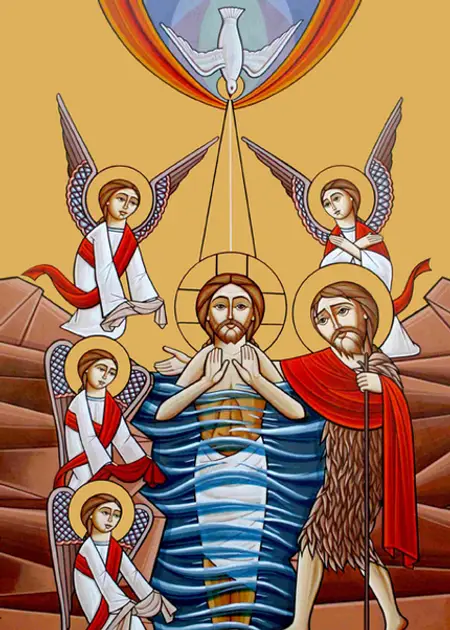
The Trisagion Responses for the Feast of the Epiphany proclaim the mystery of Christ's Incarnation and His Baptism in the Jordan. By replacing the ordinary response with feast-specific verses, the Church confesses that the Holy One who is worshipped is the same Christ who was born of the Virgin and who was revealed to the world through His baptism.

These responses emphasize the revelation of Christ's divinity and the manifestation of the Holy Trinity at the Jordan River, making them a fitting proclamation of the Theophany.


Usage in Services

During the Feast of the Epiphany, the Trisagion is chanted in the joyful tune. The first verse is followed by the response ⲟ̀ ⲉⲕⲡⲁⲣⲑⲉⲛⲟⲩ ⲅⲉⲛⲉⲑⲓⲥ ("O You who were born of the Virgin"), while the second and third verses are followed by ⲟ̀ Ⲓⲟⲣⲇⲁⲛⲟ ⲃⲁⲡⲧⲓⲥⲧⲏⲥ ("O You who were baptized in the Jordan").

These feast-specific responses are used during the Divine Liturgy of the Epiphany and during the Lakkan service, highlighting both the Incarnation and the Baptism of Christ as central themes of the celebration.

Hymn Text

Coptic English
Ⲁ̀ⲅⲓⲟⲥ ⲟ̀ Ⲑⲉⲟⲥ: ⲁ̀ⲅⲓⲟⲥ Ⲓⲥⲭⲩⲣⲟⲥ: ⲁ̀ⲅⲓⲟⲥ Ⲁ̀ⲑⲁⲛⲁⲧⲟⲥ:
ⲟ̀ ⲉⲕ Ⲡⲁⲣⲑⲉⲛⲟⲩ ⲅⲉⲛⲛⲉⲑⲏⲥ: ⲉ̀ⲗⲉⲏ̀ⲥⲟⲛ ⲏ̀ⲙⲁⲥ.
Holy God, Holy Mighty, Holy Immortal,
who was born of the Virgin, have mercy upon us.
Ⲁ̀ⲅⲓⲟⲥ ⲟ̀ Ⲑⲉⲟⲥ: ⲁ̀ⲅⲓⲟⲥ Ⲓⲥⲭⲩⲣⲟⲥ: ⲁ̀ⲅⲓⲟⲥ Ⲁ̀ⲑⲁⲛⲁⲧⲟⲥ:
ⲟ̀ ⲥ̀ⲧⲁⲩⲣⲱⲑⲓⲥ ⲇⲓ ⲏ̀ⲙⲁⲥ: ⲉ̀ⲗⲉⲏ̀ⲥⲟⲛ ⲏ̀ⲙⲁⲥ.
Holy God, Holy Mighty, Holy Immortal,
who was crucified for us, have mercy upon us.
Ⲁ̀ⲅⲓⲟⲥ ⲟ̀ Ⲑⲉⲟⲥ: ⲁ̀ⲅⲓⲟⲥ Ⲓⲥⲭⲩⲣⲟⲥ: ⲁ̀ⲅⲓⲟⲥ Ⲁ̀ⲑⲁⲛⲁⲧⲟⲥ:
ⲟ̀ ⲁ̀ⲛⲁⲥⲧⲁⲥ ⲉⲕ ⲧⲱⲛ ⲛⲉⲕⲣⲱⲛ ⲕⲉ ⲁ̀ⲛⲉⲗⲑⲱⲛ ⲓⲥ ⲧⲟⲩⲥ ⲟⲩⲣⲁⲛⲟⲩⲥ:
ⲉ̀ⲗⲉⲏ̀ⲥⲟⲛ ⲏ̀ⲙⲁⲥ.
Holy God, Holy Mighty, Holy Immortal,
who rose from the dead and ascended into heaven,
have mercy upon us.
Ⲇⲟⲝⲁ Ⲡⲁⲧⲣⲓ ⲕⲉ Ⲩ̀ⲓⲱ ⲕⲉ Ⲁ̀ⲅⲓⲱ Ⲡ̀ⲛⲉⲩⲙⲁⲧⲓ:
ⲕⲉ ⲛⲩⲛ ⲕⲉ ⲁ̀ⲓ̀ ⲕⲉ ⲓⲥ ⲧⲟⲩⲥ ⲉ̀ⲱ̀ⲛⲁⲥ ⲧⲱⲛ ⲉ̀ⲱ̀ⲛⲱⲛ. Ⲁ̀ⲙⲏⲛ.
Glory be to the Father, and the Son, and the Holy Spirit,
now and ever and unto the ages of all ages. Amen.
Ⲁ̀ⲅⲓⲁ Ⲧ̀ⲣⲓⲁⲥ: ⲉ̀ⲗⲉⲏ̀ⲥⲟⲛ ⲏ̀ⲙⲁⲥ. O Holy Trinity, have mercy upon us.

References